Posted in Seishi Yokomizo

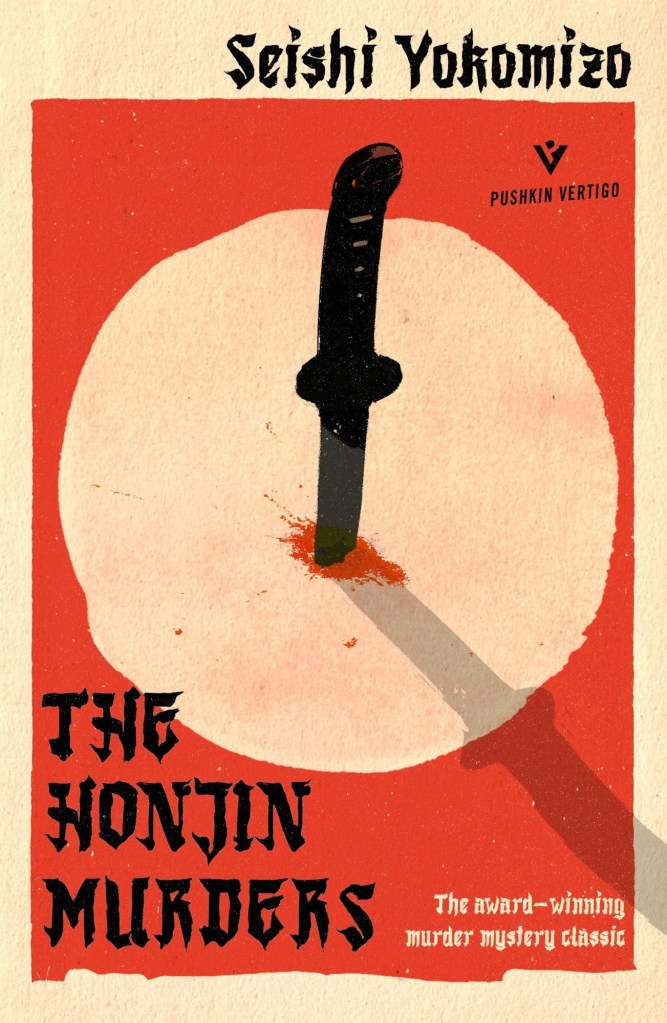
The Honjin Murders (Detective Kosuke Kindaichi #1) by Seishi Yokomizo

SYNOPSIS:

One of Japan’s greatest classic murder mysteries, introducing their best loved detective.

In the winter of 1937, the village of Okamura is abuzz with excitement over the forthcoming wedding of a son of the grand Ichiyanagi family. But amid the gossip over the approaching festivities, there is also a worrying rumour – it seems a sinister masked man has been asking questions around the village.

Then, on the night of the wedding, the Ichiyanagi household are woken by a terrible scream, followed by the sound of eerie music. Death has come to Okamura, leaving no trace but a bloody samurai sword, thrust into the pristine snow outside the house. Soon, amateur detective Kosuke Kindaichi is on the scene to investigate what will become a legendary murder case, but can this scruffy sleuth solve a seemingly impossible crime?

REVIEW:

I don’t recall ever reading a book that explains everything in such an unusual way as The Honjin Murders. Rather than reading a book, it makes you feel like you’re having a verbal conversation with a person who is narrating a story. And that might sound like an interesting choice of style, but unfortunately, the narrator keeps reminding you certain details, over explaining technical features and inserting their personal opinions in between the facts. This exaggerated orality bothered me for a while because being spoon fed all the details steals some of the mystery from something that should be a mystery novel. After 4-5 chapters, the style tends to change a bit and we only get a reminder of that weird descriptive style now and then.

Now for the good parts. What I normally heavily dislike in any detective books is that the mystery gets suddenly and rapidly solved in the last chapter and we are only left with a quick epilogue. It happened to me pretty often to remember the whole action of a book but to forget almost completely who was the murderer and how the story ended exactly because of this reason. In The Honjin Murders, I absolutely loved the fact that the mystery is solved maybe a quarter before the ending. This way, my brain has time to let the conclusion slowly settle and make the entire story more memorable.

The murder itself is as brilliant as the solving of the puzzle. Both the detective and the criminal are having the same intelectual potential, so the suspense stays at a high level constantly.

Before the protagonist is introduced, the regular police is in charge of the case and the author doesn’t rush that part of the story. This is one aspect that I did not encounter often in other murder mysteries where we are acquainted with a genius detective. I appreciated that the author doesn’t try to minimise the capabilities of the normal police and guides us through the regular steps of an investigation, before finally bringing on the scene the main actor. Even then, the police is still heavily involved and both parties are relying and trusting each other.

The story was intriguing enough and I am probably going to continue the series at some point. I heard that some of the next books are better than this first one so I think it’s worth finding out if that’s true or not. Moreover, it’s probably the first time when I read a Japanese crime author and I’m still curious to discover more of his work, even if this first novel did not really blow my mind.

Posted in Agatha Christie

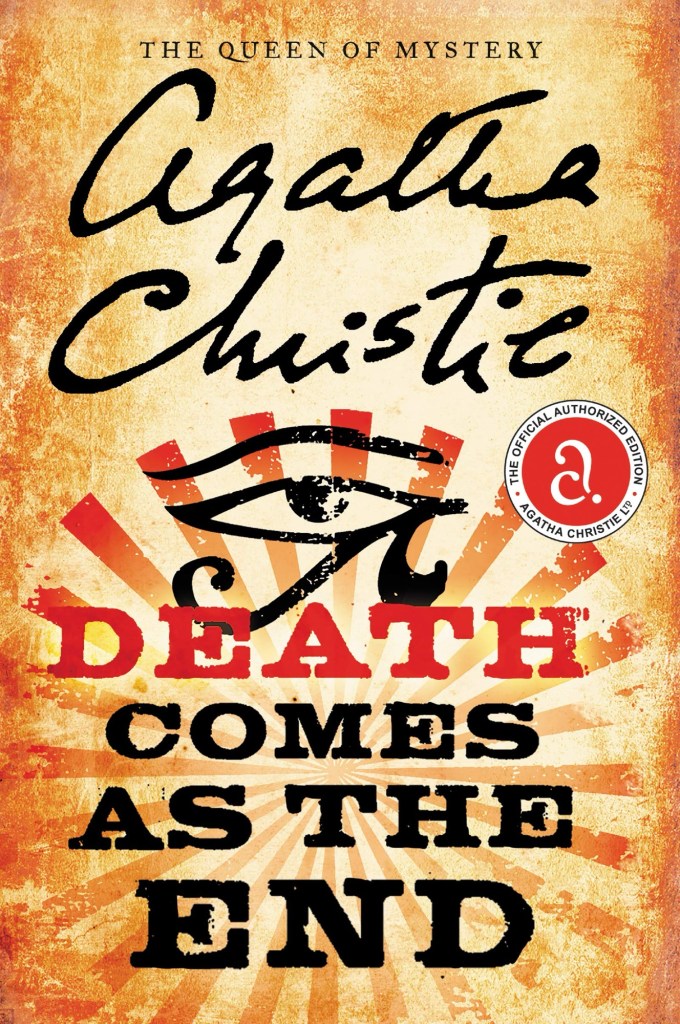
Death Comes As The End by Agatha Christie

SINOPSIS:

In this startling historical mystery, unique in the author’s canon, Agatha Christie presents the puzzle of a deadly mystery at the heart of a dissonant family in ancient Egypt.

Imhotep, wealthy landowner and priest of Thebes, has outraged his sons and daughters by bringing a beautiful concubine into their fold. And the manipulative Nofret has already set about a plan to usurp her rivals’ rightful legacies. When her lifeless body is discovered at the foot of a cliff, Imhotep’s own flesh and blood become the apparent conspirators in her shocking murder.

But vengeance and greed may not be the only motives…

REVIEW:

I’ve gone through hundreds of books throughout my life, from famous one to completely unknown ones, but weirdly, I seem to have skipped few major authors. Agatha Christie is one of them. So I decided to rectify this issue and randomly started with Death Comes As The End.

I’m not sure if it was the best choice for a first reading of this author of if I should have started maybe with one of her more popular novels. Not that I disliked the story, but it was a bit far from what I was expecting.

Death Comes As The End felt kind of like a light, cozy mystery set in an ancient setting. I mean… as “cozy” as it can get, considering the seven murders that take place. Nothing wow, nothing impressive, yet pleasant and catchy enough. It didn’t make me wish to instantly buy all the books written by this author, but in the same time, it’s hard to find anything to dislike in the story. Everything feels just… unremarkable, from the chain of events to the personalities of the characters. The kind of book that you enjoy while reading, but completely forget a week after.

I did appreciate the construction of the characters though. I did not get attached to any of them in particular, I found most of them to be too passive, but I loved how clear and well defined each of them was. I don’t know how to explain it in a better way, but even if you would suddenly forget all their names midway, it would be impossible to get confused about who is who. Their actions and words are perfectly well aligned with their personalities. I encountered the opposite in many many other books and I completely detest when the characters and their voices or behaviours are indistinguishable.

Regarding the mystery itself, I’m never the kind of reader that tries to be a step ahead and guess in advance who the killer is. So as long as the solution is not painstakingly obvious, I’m usually enjoying the story as it goes. This was the case with Death Comes As The End. I probably should have paid more attention to the psychological development of the characters and seen what was coming. Looking back, the changes in their conduct would have been the best clue to follow if I’d be the detective type of reader. But I feel that I did not get the chance to connect with them more because of how inactive most of them were throughout the storyline.

Overall, it was an enjoyable and quick read, but definitely not the type of book that would make me want to read even the grocery list of that author. If I’ll return to Agatha Christie, it will definitely be because of her name and not because of this particular story.

Posted in Rodica Ojog Brasoveanu

320 de pisici negre (seria Melania Lupu, volumul 3) – Rodica Ojog Brasoveanu

320 de pisici negre (seria Melania Lupu, volumul 3) – Rodica Ojog Brasoveanu320 de pisici negre

Disponibil la: Nemira

Colectia: Suspans

Numar pagini: 304

*

Sinopsis:

Simpatica Melania Lupu, cunoscuta cititorilor din alte romane ale aceleiasi autoare, a ajuns la inchisoare si se pregateste de evadare. Englezul Ned Morton vrea sa iasa de pe scena mafiei cu o lovitura de neuitat. si toate personajele acestui roman piperat din belsug cu umor cauta Fecioara din Insula Grotelor, statuie din aur, in marime maturala, a Madonei. Cine si cum o va gasi?

Parerea mea:

5 dimineata. Ma strecor din pat, pe jumatate cazand, incercand sa fug cat mai repede intr-o alta camera in care sa nu risc sa il trezesc pe my significant other cu hohotele de ras incontrolabile pe care abia, abia reusesc sa mi le inabus. Sunt deja la a nu stiu cata carte a Rodicai Ojog Brasoveanu si in ciuda faptului ca mereu ma astept la lecturi delicioase din partea ei, chiar nu credeam ca 320 de pisici negre va putea sa fie ataaaaat, ataat de amuzanta. Mi se pare de departe cea mai funny carte pe care am citit-o pana acum dintre cele scrise de autoare.

Romanul continua povestea Melaniei Lupu, minunata raufacatoare pe care e imposibil sa nu o iubesti, in ciuda faptului ca tot ea ii scoate peri albi si adversarului sau, maiorul Cristescu, personaj care iti devine aproape la fel de drag ca si Melania. De data aceasta, lucrurile iau amploare, protagonista trezindu-se fara voia sa (din nou!) intr-o poveste cu gangsteri internationali pe care – aproape deloc surprinzator – reuseste sa ii induca in eroare pentru o buna perioada de timp. Si, la fel ca si prima data cand doar intamplarea a aruncat-o in acest joc, Melania reuseste sa scoata tot ce este mai bun din el.

Un factor nou il reprezinta faptul ca apare un nou personaj aproape la fel de genial precum cei doi protagonisti si care intra practic in jocul acestora. Vorbim aproape de o competitie intre cei trei, in care fiecare incearca sa fie cu un pas inaintea celorlalti si sa le ghiceasca totodata miscarile viitoare adversarilor. Iar acum, noul oponent ameninta sa le dejoace planurile protagonistilor iar cititorul este pus serios in dificultate incercand sa intuiasca cine va fi castigatorul, mai ales ca situatia pare sa se incline constant in directii diferite.

Minunat construite mi s-au parut din nou personajele secundare. Unele amuzante, altele colorate in cele mai intunecate nuante, unele schitate doar vag – dar suficient pentru a va cuceri, va asigur, altele complexe, unele caracterizate mai degraba ca si personaje-tip; dar toate, absolut toate deopotriva de fascinante.

Autoarea reuseste si de data aceasta sa introduca nenumarate surprize in poveste, lasandu-te iar si iar fara cuvinte, uimit de cate schimbari de directii poate lua firul narativ si de cat de ingenios isi joaca fiecare personaj cartile. Iar finalul vine poate cu cea mai neasteptata turnura de pana acum, cu o surpriza care nu ii uimeste numai pe cititori ci si pe insasi Melania, personaj care, sincer vorbind, poate fi cu greu uluit de ceva. Mi-ar fi placut, poate, ca protagonista sa accepte propunerea care i s-a facut pentru ca e imposibil sa iti imaginezi pe cineva mai potrivit decat ea in provocarea ce i-a fost lansata. Intr-un fel, pare aproape o pierdere faptul ca talentele Melaniei nu sunt fructificate la o scara mai larga. Insa in acelasi timp, imi dau seama ca o astfel de alegere ar fi cazut poate in mediocru, mutand povestea pe un plan unde si-ar fi pierdut din inocenta si din comicul situatiilor. Raman insa cu un soi de speranta vaga, lipsita de fundament ca personajul care i-a facut propunerea ar putea sa nu se lase pagubas si sa isi incerce din nou puterea de convingere. Nu imi ramane decat sa ma arunc cat mai curand intr-o noua poveste a Melaniei pentru a afla ce mai urmeaza de data aceasta. Si sincer, cu greu ma abtin sa nu ignor total planurile de lectura deja stabilite si sa nu incep cel de-al patrulea volum al seriei pentru ca, asa cum am mai spus-o si alta data, cartile Rodicai Ojog Brasoveanu efectiv creeaza dependenta.

In incheiere nu am alt indemn decat sa va spun sa cititi seria. Nu prea indraznesc sa ma lansez in promisiuni de genul acesta, avand in vedere cat de diverse sunt gusturile cititorilor si cat de subiectiv se poate interpreta orice roman, insa de data aceasta chiar va promit ca indiferent de preferintele voastre in materie de lecturi, e imposibil sa nu adorati povestea.

Posted in Kido Okamoto

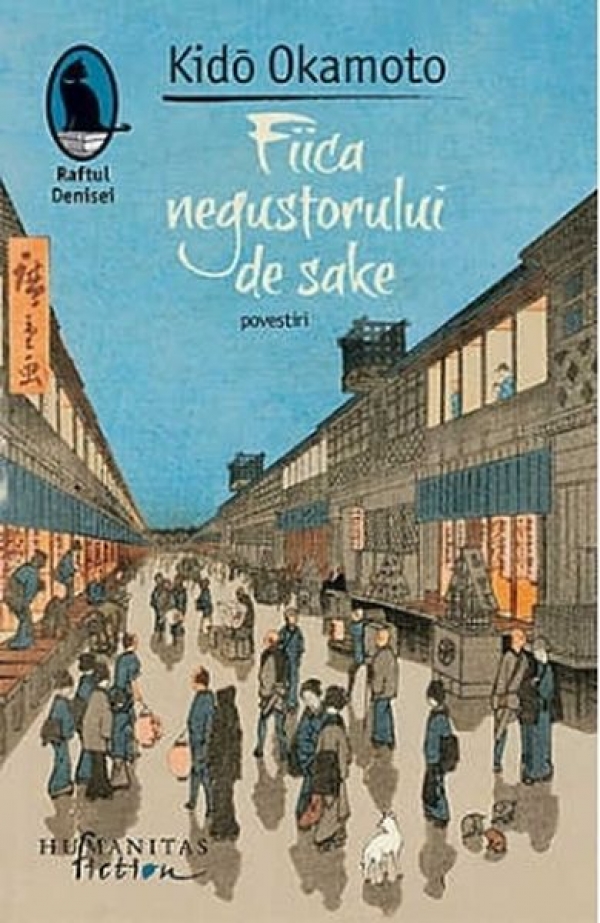
Fiica negustorului de sake – Kido Okamoto

Fiica negustorului de sake - Kido OkamotoDisponibil la: Humanitas

Colectia: Raftul Denisei

Traducerea: Angela Hondru

Numar pagini: 328

*

Sinopsis:

„Am avut norocul sa-l cunosc personal pe Hanshichi si sa-l intalnesc deseori, ba chiar sa-l vizitez acasa, in Akasaka. […] Ii placea traiul indestulat si intotdeauna ma trata cu cel mai bun ceai si cele mai delicioase prajiturele. Si imi depana povesti din tinerete. Am izbutit sa umplu un caiet gros cu misterele povestite de Hanshichi. Le-am ales pe cele mai captivante pentru a le oferi cititorilor, dar ele nu se succeda neaparat in ordine cronologica…“

Prin povestirile ciclului Hanshichi torimonochō (Cazurile misterioase ale lui Hanshichi), publicate intre anii 1917 si 1937, Kidō Okamoto inaugureaza genul politist in literatura nipona. De altminteri, scriitorul este considerat un Arthur Conan Doyle al Japoniei, inventand un personaj emblematic, pe inspectorul Hanshichi, care rezolva aparent fara efort cazurile cele mai complicate si enigmatice. La senectute, jovialul inspector rememoreaza nostalgic anchetele, iar relatarea intamplarilor trecute este un prilej de evocare plina de culoare a capitalei Edo si a Japoniei din timpul shōgunatului Tokugawa.

Parerea mea:

Despre inspectorul Hanshichi, protagonistul volumului Fiica negustorului de sake se spune ca este echivalentul lui Sherlock Holmes in literatura japoneza, ceea ce m-a facut teribil de curioasa sa ii citesc aventurile. Mi-a placut colectia de povestiri, mi-a amintit intr-adevar de constructia istorioarelor… CONTINUAREA AICI.

Posted in Rodica Ojog Brasoveanu

Buna seara Melania (seria Melania Lupu, volumul 2) – Rodica Ojog Brasoveanu

Buna seara, Melania (seria Melania Lupu, volumul 2 - Rodica Ojog BrasoveanuBuna seara Melania (seria Melania Lupu, volumul 2) – Rodica Ojog Brasoveanu

Disponibil la: Nemira

Colectia: Suspans

Numar pagini: 224

Sinopsis:

Maestra in arta suspansului, Rodica Ojog-Brasoveanu se arata o fina cunoscatoare a mastilor dincolo de care se ascund intotdeauna oamenii si in literatura, si in viata. Aceasta carte o dovedeste din plin.

Despre “Ciclul Melaniei”: Melania este cheia intregii serii, prin unicitatea ei. Este un hot fara sa fure, o escroaca fara sa insele …este acel personaj care, desi incalca repetat legea, o face cu atata candoare si inteligenta incat farmeca cititorul.

In “Buna seara, Melania!” autoarea inlatura pas cu pas mastile fiecarui personaj. Si, ca in orice roman politist care se respecta, nimeni nu e ce pare a fi.

Povestea si calitatea scriiturii garanteaza placerea lecturii, in tihna de acasa ori in vacarmul orasului.

Parerea mea:

Cand am terminat Cianura pentru un suras, nu stiam cum sa ma apuc mai repede de urmatorul roman al seriei Melania Lupu. Si nu pentru ca primul volum s-ar fi terminat cu vreun cliffhanger, asa cum se intampla in seriile contemporane, ci pur si simplu pentru ca simteam nevoia sa ma cufund din nou in lumea creata de Rodica Ojog Brasoveanu si sa ma reintalnesc cu perechea fermecatoare de rivali, Melania si maiorul Cristescu.

In timp ce notam Buna seara, Melania pe Goodreads, am apucat sa citesc mai mult pe diagonala cateva review-uri in care cititorii spuneau ca acest volum li s-a parut mai putin antrenant decat primul. Am fost surprinsa, intrucat eu una l-am devorat cu o sete chiar mai profunda decat pe primul. Poate si pentru ca de data aceasta am constatat, cu uimire, ca Melania nu mai apare ca un personaj prins in jocul altcuiva, ci ea este de data aceasta maestrul care trage toate sforile. Si cu cata pricepere o face!

Atrasa in mod irezistibil de unul dintre tablourile pe care a fost cat pe ce sa puna mana in volumul anterior, protagonista organizeaza un complot magnific pentru a-l castiga cu adevarat de data aceasta. In acelasi timp in care joaca rolul papusarului, Melania este totodata si una dintre „marionetele” din joc. Mai exact, se pune in postura uneia dintre victimele nevinovate, astfel incat Cristescu si toti cei implicati o vor vedea ca pe un simplu martor in tot acest joc. Evident, spre deosebire de celelalte personaje implicate, maiorul are convingerea ca tot planul a fost pus la punct de ea. La fel ca si in prima carte, Cristescu incepe sa asambleze pas cu pas fiecare indiciu, avand convingerea ca ea sta in spatele actiunilor.

Inteligent construit, romanul reuseste sa te tina cu sufletul la gura, in ciuda faptului ca de data aceasta stii clar cine este initiatorul jocului. Nu mai ai deci de descifrat niciun mister, dar asta nu te impiedica sa ramai cu rasuflarea taiata la fiecare cateva pagini si sa te uimeasca modul in care autoarea isi desfasoara intrigile.

Ma asteptam intrucatva sa am ocazia de data aceasta sa patrund mai mult in trecutul personajelor centrale, sa descopar felul in care personalitatea Melaniei s-a dezvoltat astfel sau sa aflu mai multe detalii din viata maiorului. Si in ciuda faptului ca sunt narate anumite intamplari din trecutul protagonistilor, autoarea tot nu ne spune de fapt prea multe iar cei doi rivali raman in continuare partial un mister.

Am parcurs cu placere fiecare pagina si am fost fascinata de personajele secundare, de modul in care autoarea reuseste sa le construiasca portrete atat de reale, chiar daca descrierile propriu-zise ale istoriilor personale ale fiecareia dintre ele nu sunt extrem de lungi. Insa dupa doar cateva pagini, le cunosti povestile, temerile, sperantele si visele neimplinite.

De data aceasta, romanul se incheie intr-un mod total surprinzator si e nevoie de un adevarat efort de vointa sa nu incepi imediat urmatoarea carte pentru a afla ce se intampla in continuare.

SPOILER ALERT: Refuz inca sa accept faptul ca planul Melaniei a avut o fisura, ca exista posibilitatea ca maiorul sa fi reusit sa o prinda in cursa. Mai ales ca insusi Cristescu pare sa nu se bucure de victorie, ci sa isi indeplineasca misiunea doar din inertie, din respect pentru functia careia i-a dedicat intreaga viata.

Din nou, fara „bile albe” si „bile negre”, din simplul fapt ca am indragit fiecare rand al cartii. Asa ca in incheiere, va spun doar ca odata ce veti descoperi personajele Rodicai Ojog Brasoveanu si intrigile impecabile, cu siguranta nu veti mai dori sa iesiti din lumile pe care aceasta le creaza.